












Swiss online shop

Encrypted payment

Shipping within 48 hours
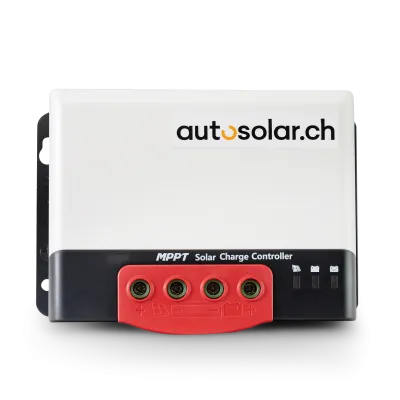
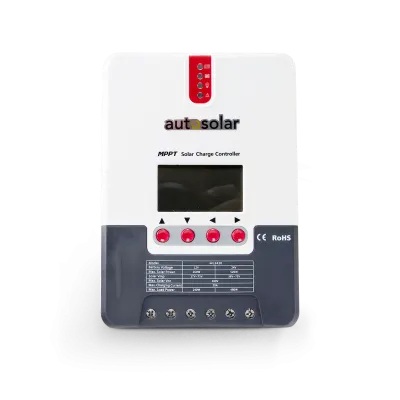
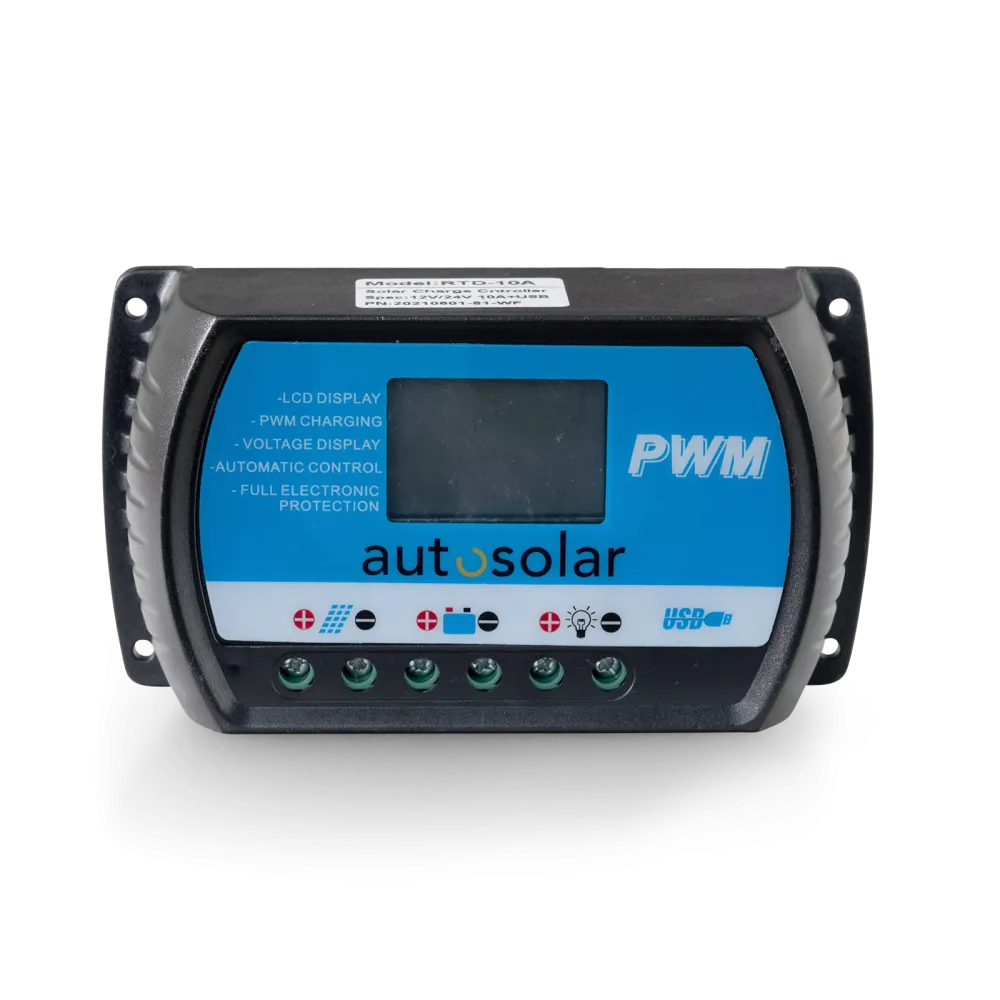
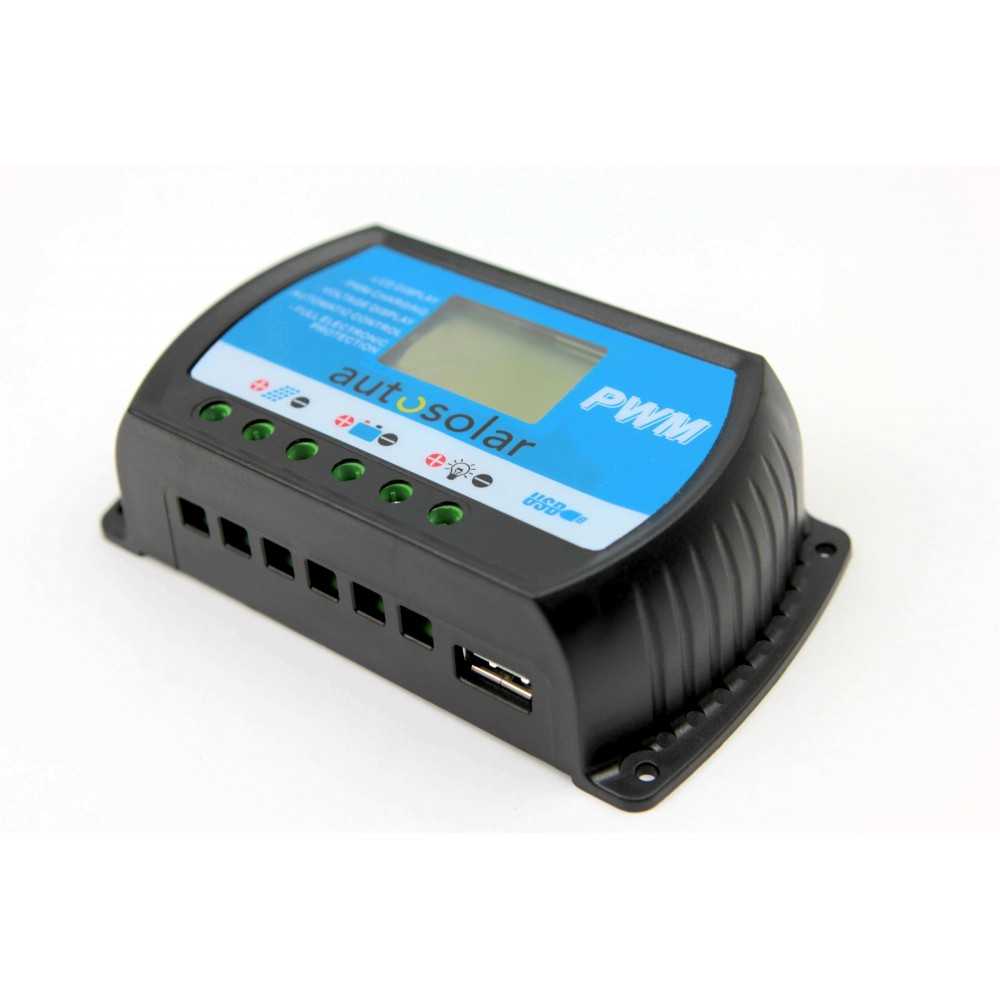
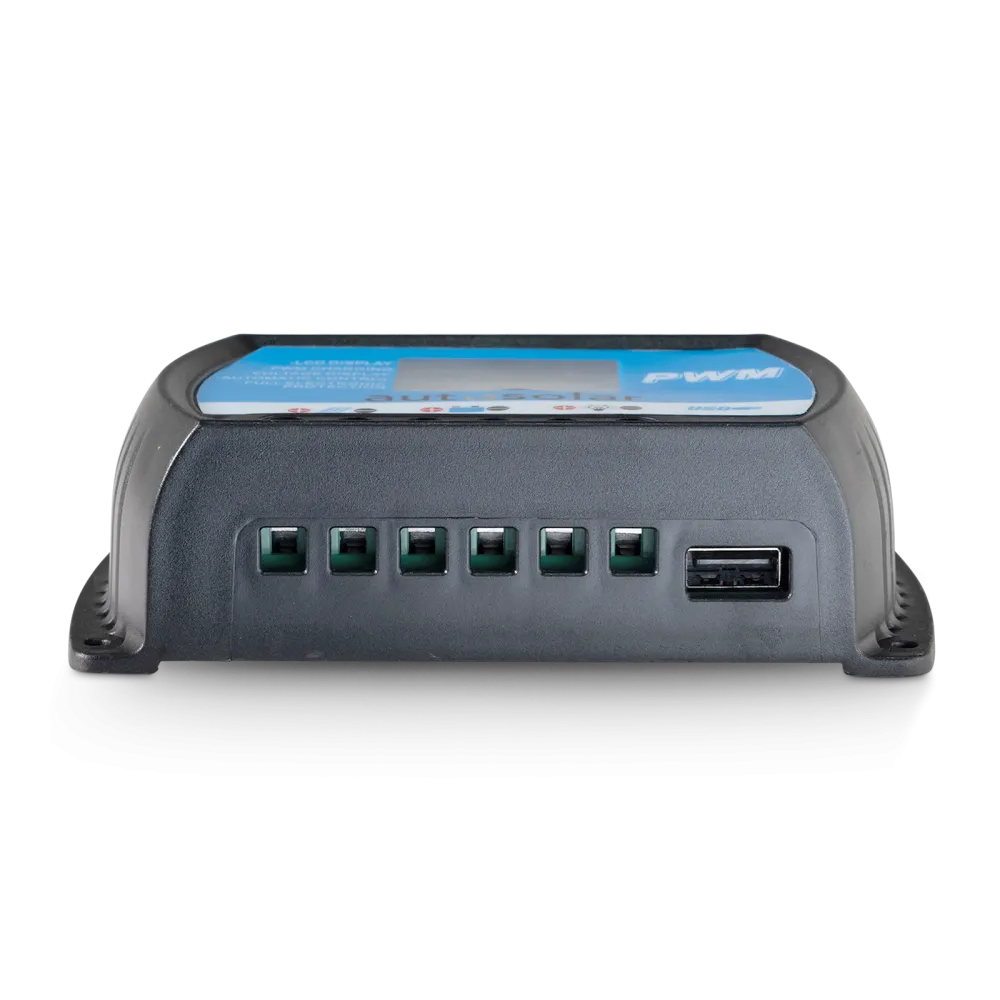
Get the most out of your solar setup with this powerful 20A PWM solar charge controller. It ensures that electricity flows optimally from the panel to your battery, so that your system always runs efficiently and your batteries last a long time. Thanks to clever pulse width modulation (PWM) and microprocessor control, this device works much more effectively than standard controllers – with minimal power consumption and hardly any voltage loss. Whether you have acid, AGM or gel batteries, the controller is suitable for all 12V and 24V systems and reliably protects them from overcharging, deep discharge or short circuits. The LEDs show you what's going on at all times, and automatic temperature compensation ensures that everything runs precisely, even in Swiss mountain weather. With up to 280 watts of power at 12V (or 560 watts at 24V), this compact charge controller is a good solution for your independent power supply.
Produkt-Nummer
pwm20A
Size (length x width x height)
150x78x35mm
Weight
0.150kg
Battery type
Suitable for lead-acid / AGM / gel batteries
Tension
Suitable for 12V and 24V
PV input voltage
12V to 18V
PV input voltage
24V to 37V
Charging current
20A
Der einfacher PWM Laderegler kann die Spannung des Solarmoduls regeln. Beim MPPT-Laderegler ist der Vorteil, dass dieser der Kennlinie des Solarmoduls besser folgen kann. Zusätzlich kann der MPPT-Laderegler Spannung und Strom regulieren. Diese Vorteile führen zu einem Leistungsgewinn von bis zu 30%.